


Communiqués
L’agrile du frêne continue de faire des ravages à Edmundston
26 sept. 2022
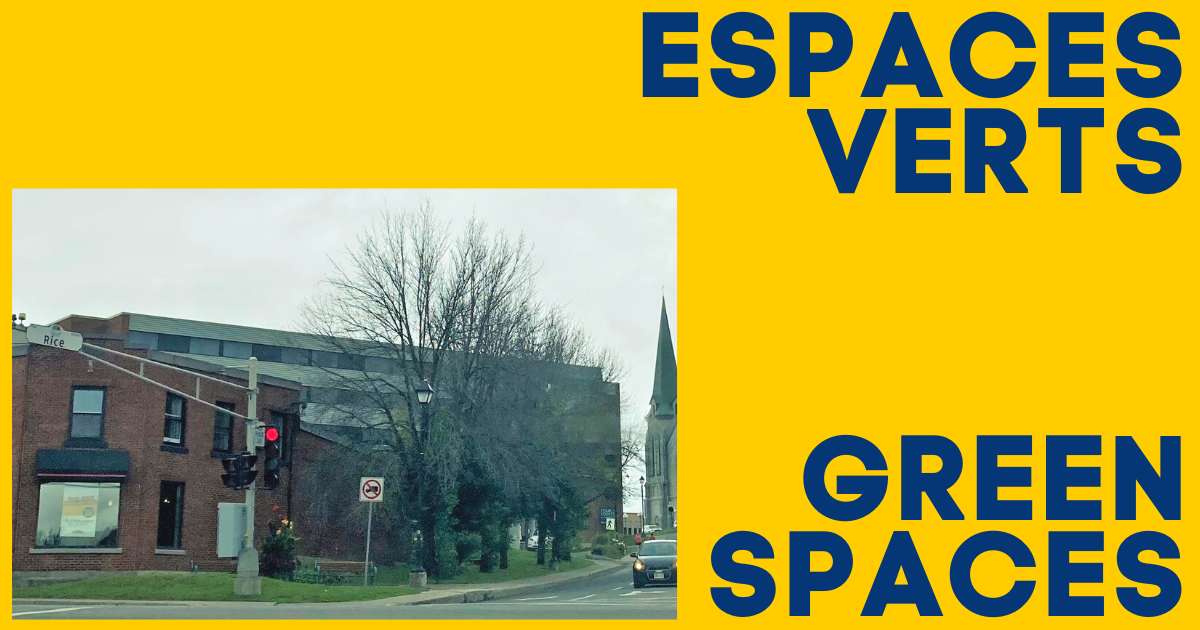
Certains arbres affectés par l’agrile du frêne seront abattus en raison de leur état de dépérissement avancé ou du fait qu’ils soient morts à cause de l'agrile du frêne. Rappelons que l’agrile du frêne est un insecte ravageur exotique qui a déjà tué des millions d’arbres en Amérique du Nord. Il a été détecté pour une première fois en Atlantique, à Edmundston, en mai 2018 et est maintenant présent un peu partout au Nouveau-Brunswick et au pays.
« Une fois que la présence de l’agrile du frêne a été confirmée en 2018, nous savions que toute notre population de frênes était menacée. En fait, une fois installé dans une région, puisqu’il n’y a pas de prédateurs naturels et que les arbres n’ont aucun mécanisme de défense, l’agrile du frêne tue typiquement plus de 95 % des tous les frênes en 8 à 10 ans. C’est très dommage, mais c’est inévitable, » explique Daniel Gautreau, coordonnateur aux espaces verts et forestier urbain du Service des travaux publics de la Ville d’Edmundston.
L’insecte adulte émerge de l’arbre fin mai, début juin et s’alimente du feuillage des frênes. À la suite de la reproduction des adultes, les femelles pondent soixante à cent œufs minuscules dans les crevasses de l’écorce de l’arbre. L’éclosion a lieu une à deux semaines plus tard et les larves s’enfoncent dans les couches de l’écorce pour se rendre au phloème de l’arbre où elles creusent des galeries pour se nourrir. C’est cette phase de l’insecte qui finit par tuer les arbres. Vers le début novembre, les larves entrent en dormance pour l’hiver. La pupe se forme au printemps suivant, la larve se métamorphose en un insecte adulte et le cycle recommence. Ce cycle de l’agrile du frêne finit par tuer un arbre en 2 à 5 ans.
Selon Daniel Gautreau, ces infestations ont détruit des frênes en bordure de rues et dans les parcs en milieux urbains à plusieurs endroits en Amérique du Nord. « C’est malheureux parce que ces arbres, en plus d’embellir les villes, jouent un rôle important dans l’amélioration des conditions environnementales des régions urbaines. Par exemple, les arbres urbains créent de l’ombrage, absorbent du CO2, captent des poussières nocives dans l’air et peuvent réduire les coûts énergétiques de certains bâtiments. Plus les arbres sont grands, plus importantes sont les retombées positive sur l’environnement urbain et pour les citoyens, » de conclure M. Gautreau.
Afin de maintenir une population d’arbres en santé, la municipalité continue de planter des arbres sur une base annuelle, ce qui viendra remplacer les frênes abattus tout en maintenant une canopée verte au bénéfice des citoyennes et citoyens.
-30-
CONTACT : Daniel Gautreau, Coordonnateur aux espaces verts et forestier urbain, Service des travaux publics, 506.739.2103, daniel.gautreau@edmundston.ca